Prayer and the Psalms
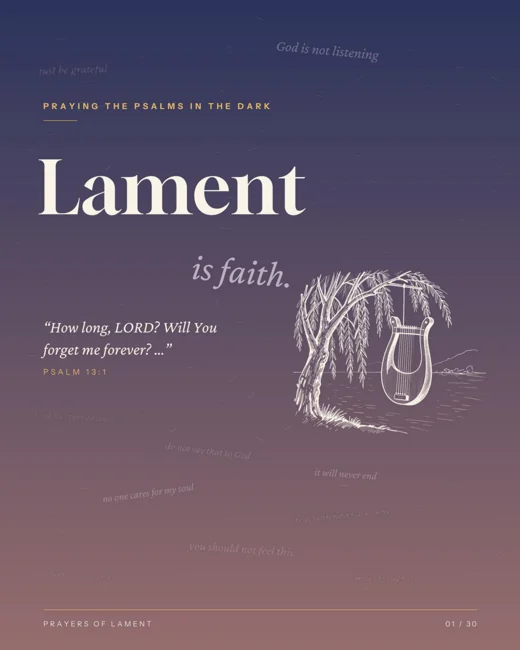
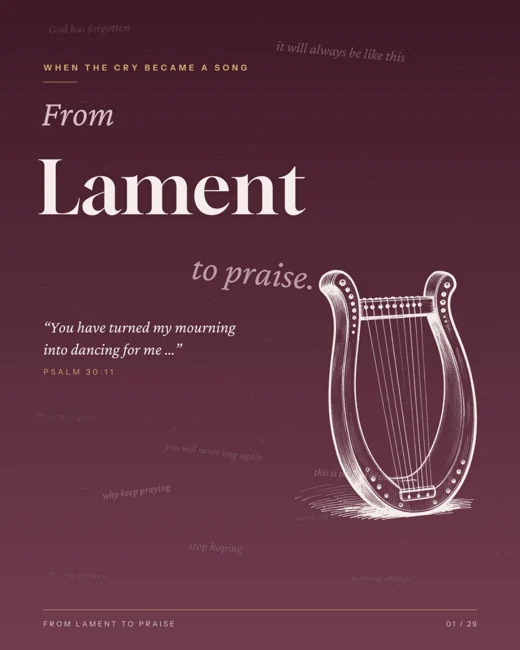
How do you pray when praise will not come? Psalm 13 begins, “How long, LORD? Will You forget me forever?”, and Psalm 30 testifies, “You have turned my mourning into dancing for me.” Between those two prayers lies much of what the Bible teaches about honest prayer.

About this theme
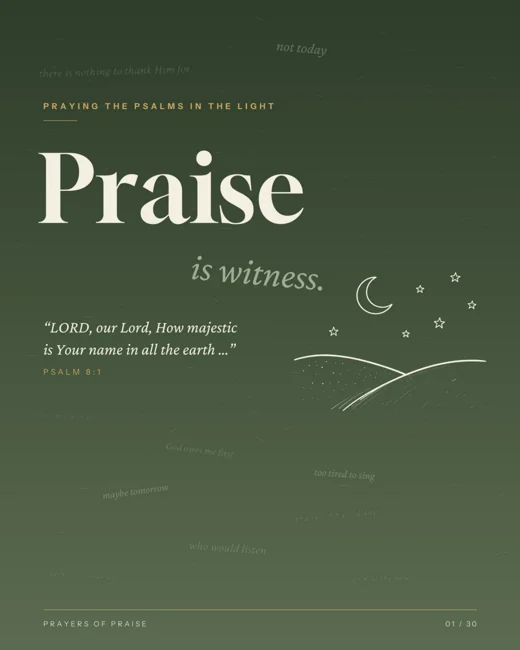
The teaching here follows the psalmists in the dark and in the light. God invites us to bring Him our trouble without pretending, and to give Him glory for who He is and what He has done.
Prayers of Lament: In the Psalms is the place to start when praise will not come. It offers twenty laments and sets out the shape of a lament step by step, from turning towards God to saying “But I trust”. Prayers of Praise: In the Psalms offers twenty psalms for the days when the heart must sing, and shows that praise gives its reasons and becomes witness. From Lament to Praise: In the Psalms pairs nineteen laments with the psalms that answer them, and leaves Psalm 88 in the dark for the one who cannot yet praise. Prayers of Doxology: Glory to God collects twenty-five doxologies from both Testaments, prayers that ask for nothing and give God what is already His due (Psalm 115:1).
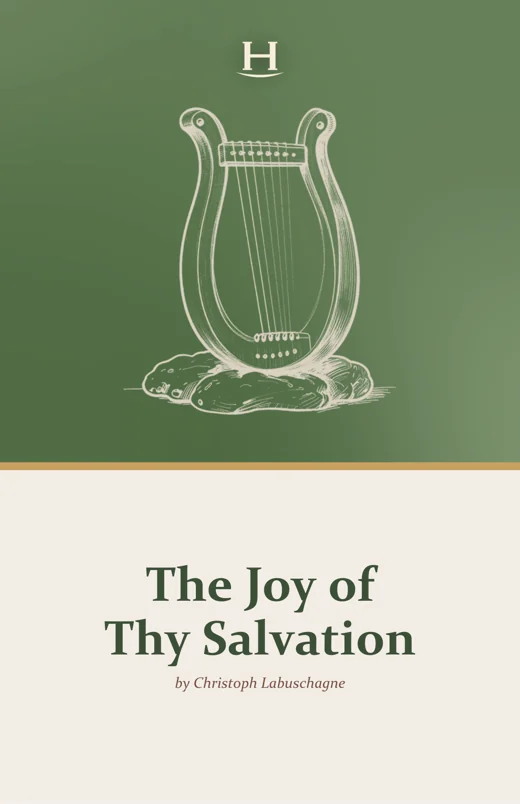
The Joy of Thy Salvation is a full teaching on a single prayer, David’s in Psalm 51:12, for believers who still believe but have lost the joy: why it fades, and the path back to it.